
If your central air conditioning seems to run constantly but your home still feels uncomfortable, the problem may not be the AC system itself. Many older homes in York County were built before central air conditioning became commonplace, meaning they were designed for window units, ceiling fans, and natural ventilation rather than whole-home cooling. As a result, the insulation and air sealing in these homes often haven’t kept pace with the demands of modern HVAC systems.
Central air conditioning was installed in only about 27% of U.S. homes in 1980. By 2020, that number had grown to roughly 67%, according to the U.S. Energy Information Administration. While cooling technology changed dramatically during that time, many homes never received the insulation upgrades needed to support it. The result is an air conditioner that works harder than it should, uneven temperatures throughout the house, and higher-than-necessary energy bills.
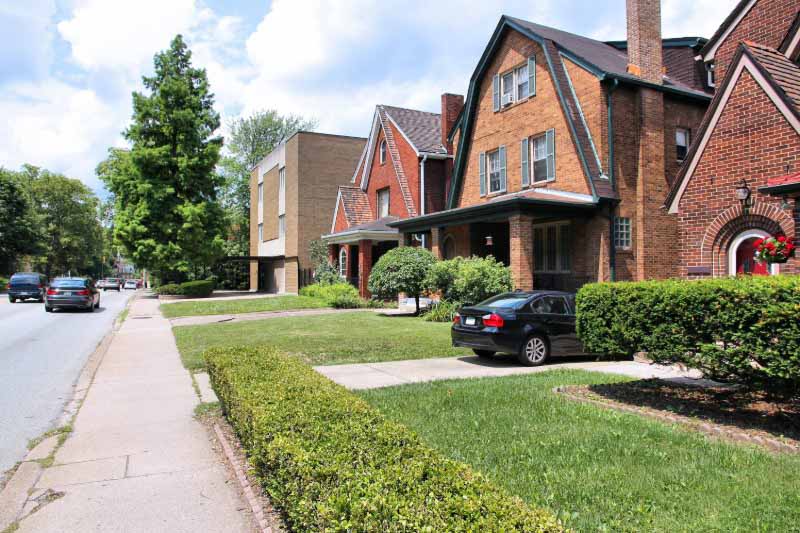
Even though central AC is more prevalent nowadays, many older homes have never upgraded their thermal envelope to support it, so the cooling system has to work against thin attic insulation and air leaks. For York County (Climate Zone 4A), ENERGY STAR recommends up to R-60 in an uninsulated attic (R-49 if 3–4 inches already exist); R-49 is also Pennsylvania’s adopted attic code minimum, R-13 cavity plus R-5 continuous in walls, and insulated floors and foundation walls. ENERGY STAR estimates homeowners can save an average of 15% on heating and cooling costs by air sealing and adding insulation in attics, crawl spaces, and basements. In most older homes, the highest-return first step is air sealing plus topping up attic insulation.
For homeowners researching older home insulation in York, PA, understanding the relationship between insulation and cooling performance is the first step toward improving comfort and efficiency.
Why Central AC Outpaced Insulation in Older Homes
The growth of central air conditioning occurred much faster than improvements to the thermal envelopes of existing homes. Central AC in U.S. homes rose from about 27% in 1980 to roughly 67% by 2020, but many York-area homes predate that shift, built when window units and natural ventilation handled cooling, and before modern energy codes set today’s insulation levels.
When central AC systems were added later, homeowners upgraded the equipment but often left the attic, walls, and air leakage points unchanged. The cooling system was modernized, but the building surrounding it was not.
That mismatch creates a significant burden on the HVAC system. Conditioned air escapes through gaps and cracks, while heat enters through poorly insulated attics and walls. Even a well-functioning air conditioner can struggle to cool a home that constantly leaks energy.
According to the U.S. Department of Energy, heating and cooling account for the largest portion of a home’s energy use, typically around 43% of a total utility bill, making insulation one of the most impactful upgrades homeowners can make. If you’re considering whether to replace aging insulation, it’s often worth evaluating how effectively your current insulation supports your home’s cooling system.
What “Keeping Pace” Means in York County’s Climate Zone
York County falls within Climate Zone 4A (Mixed-Humid), and Pennsylvania’s current residential energy code is based on the 2021 IECC, which became effective statewide on January 1, 2026.
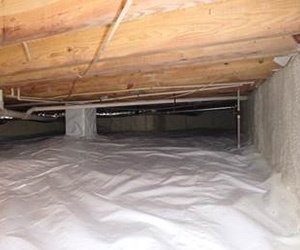
For homeowners evaluating retrofit insulation in Pennsylvania, these benchmarks provide a useful target:
- Attic insulation: Up to R-60 for an uninsulated attic. If the attic already contains 3 to 4 inches of insulation, ENERGY STAR recommends an R-49 rating.
- Pennsylvania’s adopted attic code minimum is also R-49.
- Walls: R-13 cavity insulation plus R-5 continuous exterior insulation when wall assemblies are exposed during renovations.
- Floors: R-19 for homes in Climate Zone 4A.
- Basement and crawl space walls: R-10 continuous insulation or R-13 cavity insulation.
Many homes built before 2010 fall well below these recommendations. That’s why attic insulation upgrades and wall retrofits continue to be among the most effective improvements for older homes.
Homeowners interested in current Pennsylvania energy code requirements should also understand that code minimums are often just a starting point. ENERGY STAR recommendations frequently exceed code levels to maximize comfort and energy savings.
Where Older York Homes Lose the Most Energy
Attic Insulation: Usually the Best Place to Start
In most homes, the attic is the largest source of unwanted heat gain during summer, making attic insulation a key first step towards a cooler home.
An under-insulated attic allows solar heat to transfer into the living space below, increasing the cooling load older homes place on their HVAC systems. Before adding insulation, air leaks around plumbing penetrations, wiring, recessed lighting, and attic access points should be sealed. Once air sealing is complete, adding blown-in fiberglass or cellulose insulation can help bring the attic closer to the recommended R-value. Topping off attic insulation with blown-in insulation is one of the most cost-effective upgrades available.
In homes where HVAC equipment and ductwork are located in the attic, it may also be worth evaluating a conditioned attic design that moves the equipment inside the home’s thermal envelope.
Walls: The Hidden Opportunity
Many homes built before 1980 contain little or no insulation inside exterior walls. Fortunately, modern retrofit techniques allow installers to add insulation without major demolition. Dense-pack blown-in insulation can be installed in existing wall cavities through small access holes, helping restore R-value while minimizing disruption to finished spaces.
A properly planned insulation upgrade project often includes both attic and wall improvements to create a more complete thermal envelope. On new construction or full renovations, pair cavity insulation with R-5 continuous exterior foam board to hit the ENERGY STAR wall target and reduce thermal bridging through the framing.
Air Sealing: The Force Multiplier
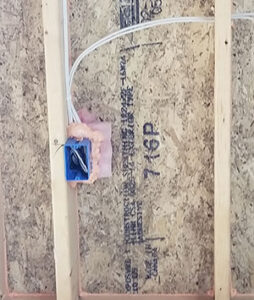
Insulation slows heat transfer, but it doesn’t stop air movement. That’s why air sealing older homes is so important. Air leaks allow cooled air to escape while humid outdoor air enters the home, making the AC work harder.
ENERGY STAR estimates that homeowners can save an average of 15% on heating and cooling costs by air sealing and adding insulation in attics, basements, and floors over crawl spaces.
For many older homes, professional air sealing provides immediate comfort improvements while helping new insulation perform as intended.
Basements, Crawl Spaces, and Rim Joists
Basements and crawl spaces are frequently overlooked during insulation projects. Rim joists, in particular, are common air leakage points. Spray foam insulation can help insulate and air seal these areas simultaneously. Basement and crawl space wall insulation can also help manage moisture, improve comfort, and reduce energy loss.
When addressing lower-level insulation, the goal is to control and mitigate moisture while strengthening the home’s overall thermal boundary.
Frequently Asked Questions
My older home has central AC but still feels uneven. Why?
In most older homes, the cooling system was added long after the house was built, but the insulation and air sealing were never upgraded to match. Conditioned air escapes and heat pours in, so the AC runs constantly yet can’t maintain a steady temperature. Air sealing and attic insulation usually resolve unevenness better than a larger AC would.
How much attic insulation should an older home in York, PA have?
ENERGY STAR recommends up to R-60 for an uninsulated attic in this climate (about R-49 if 3–4 inches already exist); R-49 is also Pennsylvania’s adopted attic code minimum. Many older York-area attics sit far below that, which is why topping up attic insulation, after air sealing, is one of the highest-return upgrades. (For York County, Zone 4A, the floor target is R-19 and basement/crawl walls R-10 continuous or R-13.)
Should I air seal or add insulation first?
Air seal first. Insulation slows heat transfer but does not stop air movement; sealing gaps and penetrations first lets the new insulation perform as rated. ENERGY STAR estimates an average 15% savings on heating and cooling from air sealing and adding insulation together in attics, floors over crawl spaces, and basements.
Is it worth re-insulating an older house?
Yes. Older homes typically have the widest gap between what their insulation provides and what their central AC now demands. The U.S. Department of Energy notes that heating and cooling use more energy than any other system in the home, and proper insulation directly reduces that load.
Can you add insulation to existing walls without tearing them out?
Yes. Dense-pack blown-in insulation is installed through small holes, filling the wall cavity and restoring R-value without removing drywall, a common approach for older homes where the walls were built with little or no insulation.
Bring Your Home’s Insulation Up to Modern Standards
Central air conditioning has become the norm, but many older homes still rely on insulation levels that were considered acceptable decades ago. If your AC struggles to keep up, rooms feel inconsistent, or energy bills continue climbing, your insulation may be the missing piece.
For most York-area homes, the best approach is simple: first confirm the climate-zone targets, air seal, then bring attic and wall insulation closer to modern ENERGY STAR recommendations. The result is improved comfort, lower energy use, and a cooling system that doesn’t have to work overtime.
To learn more about home energy efficiency upgrades in in York, PA or schedule an insulation assessment, contact Liberty Insulation at 717-767-9082.
References
U.S. Energy Information Administration. “Electricity Use in Homes.” Energy Explained, U.S. Department of Energy, www.eia.gov/energyexplained/use-of-energy/electricity-use-in-homes.php.
ENERGY STAR. “Recommended Home Insulation R–Values.” U.S. Environmental Protection Agency, www.energystar.gov/saveathome/seal_insulate/identify-problems-you-want-fix/diy-checks-inspections/insulation-r-values.
ENERGY STAR. “Methodology for Estimated Energy Savings from Sealing and Insulating.” U.S. Environmental Protection Agency, www.energystar.gov/saveathome/seal_insulate/methodology.
U.S. Department of Energy. “Building America Climate-Specific Guidance.” Office of Energy Efficiency and Renewable Energy, www.energy.gov/cmei/buildings/building-america-climate-specific-guidance.
Pennsylvania Department of Labor & Industry. “Uniform Construction Code (UCC).” Commonwealth of Pennsylvania, www.pa.gov/agencies/dli/programs-services/labor-management-relations/bureau-of-occupational-and-industrial-safety/uniform-construction-code-home.