
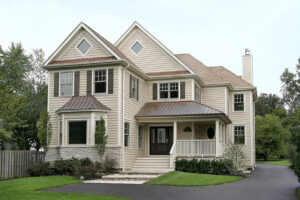
Pennsylvania residents know our weather doesn’t ease into the seasons. One month it’s freezing, the next it’s humid and warm. For many local homeowners, especially in older homes built under outdated standards, that means drafts, uneven rooms, and rising energy bills.
If your home isn’t properly insulated and sealed, those seasonal shifts do more than make you uncomfortable. Your HVAC system works overtime. Your energy costs climb. Moisture sneaks in that can lead to mold, wood rot, and costly repairs over time. Bringing your home up to current energy efficiency standards can make all the difference.
Spring is the ideal time to schedule home insulation upgrades for your Pennsylvania home. The milder temperatures allow contractors to work efficiently, and you can address any winter damage before the summer heat hits. Improvements made now will reduce your energy bills throughout the year. Prioritizing insulation, air sealing, and moisture control protects your comfort, your home’s structure, and its long-term value.
Not sure where to begin? A professional home energy audit can pinpoint exactly where your home is losing energy, and which upgrades will deliver the best return.
Why Spring Is the Ideal Time for Insulation Upgrades
Favorable Weather Conditions
Spring temperatures are moderate making it a perfect time for insulation installation. This is especially true for spray foam insulation that requires specific temperature ranges to cure properly.
It’s also a quieter season compared to the summer and fall rush. Scheduling now means faster service and fewer delays.
Addressing Winter Damage Early
Winter freeze-thaw cycles can cause your insulation to settle or gaps to form. The U.S. Department of Energy (DOE) recommends inspecting your home’s insulation levels and checking for air leaks as part of your regular home maintenance.
Being proactive and handling these issues in spring prepares your home before rising summer temperatures can increase cooling demands and affect the overall energy efficiency Pennsylvania homeowners depend on.
Key Areas to Insulate for Maximum Impact
Attic and Roof
The attic is typically the biggest opportunity for energy savings. Maintaining proper attic insulation reduces heat loss in winter and blocks heat gain in summer, improving your overall HVAC energy savings.
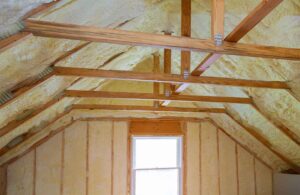
The DOE suggests that if your attic insulation is less than R-30, adding more can make a noticeable difference. Under the most current Pennsylvania building code, effective as of January 2026, new homes in Pennsylvania require an attic insulation level of R-49 to maximize energy efficiency.
If you’re unsure about your attic’s current insulation R-value, consider having it checked by a residential insulation services professional.
Walls and Air Sealing
Air leaks can account for 30% or more of your heating and cooling costs. The gaps around your windows, doors, wiring, and plumbing easily allow conditioned air to escape. This makes sealing these areas critical.
Combining insulation with air sealing creates a tighter building envelope. Spray foam insulation is especially effective in walls and hard-to-reach areas because it insulates and air seals in one step.
Basement, Crawl Space, and Foundation
Basements and crawl spaces are common sources of moisture. They are notorious for water intrusion, humidity, and mold problems. Without proper moisture control, damp air can affect their structural components and reduce indoor air quality.
Installing a 6-mil polyethylene vapor barrier, with its seams overlapped and taped, on your crawl space floor will prevent soil moisture from migrating upward. Properly insulating and air sealing these areas helps prevent moisture from entering your home and supports long-term comfort.
The Energy and Comfort Benefits of Upgrading This Spring
Lower Energy Bills
ENERGY STAR estimates that homeowners can save an average of 15% on their heating and cooling costs by properly insulating and sealing key areas like the attic, crawl space, and basement.
Better insulation reduces strain on your HVAC system, leading to greater HVAC energy savings, fewer breakdowns, and longer equipment life. It’s a smart investment in energy efficiency Pennsylvania homeowners can appreciate year-round.
Improved Indoor Air Quality and Comfort
Spring in Pennsylvania also means allergy season. A well-sealed and insulated home helps block pollen, dust, and outdoor pollutants from entering your home.
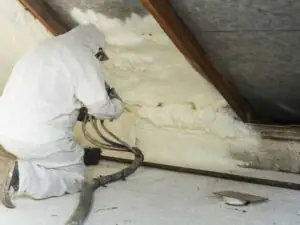
By combining insulation and air sealing, you improve your home’s indoor air quality, reduce drafts, and eliminate those frustrating hot and cold spots. As a result, your home becomes more energy efficient, less costly to heat and cool, and more comfortable throughout the year.
When to Call a Professional
If you notice persistent drafts, uneven temperatures between rooms, rising energy bills, or visible insulation damage, it’s time to call an experienced insulation contractor.
Proper, professional installation matters. Insulation products like spray foam insulation require specialized training to ensure correct coverage and code compliance. The current Pennsylvania Building Code includes strict requirements for insulation levels, air sealing, and blower door testing. Working with a qualified professional ensures your home meets those standards.
FAQs About Insulation
- Q: Why is spring the best time to insulate?
- A: Spring offers ideal temperatures for installation, better contractor availability, and gives you a chance to reduce cooling costs before summer arrives.
- Q: How much can I save on energy bills by adding insulation?
- A: ENERGY STAR estimates that homeowners save an average of 15% on their heating and cooling costs by air sealing and insulating key areas.
- Q: What insulation R-value does my Pennsylvania home need?
- A: R-value requirements depend on your climate zone. In Climate Zone 4, including York and southeastern PA, the Pennsylvania energy code, aka the Pennsylvania Uniform Construction Code (UCC), requires R-49 for attics and R-20 or R-13+5 for wood-frame walls.
Upgrade Your Home This Spring and Start Saving
Spring is the ideal time to improve your home before extreme summer heat and winter cold return. A strategic home insulation upgrade increases comfort, supports energy efficiency Pennsylvania homeowners value, strengthens moisture control, and lowers energy bills all year long.
Liberty Insulation has proudly served York and its surrounding communities since 1987. As Pennsylvania’s largest independent insulation contractor, we specialize in residential, commercial, and retrofit insulation projects. When you call us, you speak to real people. Our crews are experienced, responsive, and committed to doing the job right.
Don’t wait for another season of high energy bills and uncomfortable rooms. Contact us today to schedule your free estimate and see how much your home could save.
References
ENERGY STAR. (n.d.). Why seal and insulate? U.S. Environmental Protection Agency. https://www.energystar.gov/saveathome/seal_insulate/why-seal-and-insulate
Pennsylvania Department of Labor & Industry. (n.d.). UCC codes. Commonwealth of Pennsylvania. https://www.dli.pa.gov/ucc/Pages/UCC-Codes.aspx
Pennsylvania Housing Research Center. (2021). 2021 Pennsylvania alternative residential energy provisions. Penn State University. https://www.phrc.psu.edu/assets/docs/Publications/2021-PA-Alternative-Residential-Energy-Provisions.pdf
U.S. Department of Energy. (n.d.). Adding insulation to an existing home. Energy Saver. https://www.energy.gov/energysaver/adding-insulation-existing-home
U.S. Department of Energy. (n.d.). Air sealing your home. Energy Saver. https://www.energy.gov/energysaver/air-sealing-your-home
U.S. Department of Energy. (n.d.). Do-it-yourself home energy assessments. Energy Saver. https://www.energy.gov/energysaver/do-it-yourself-home-energy-assessments
U.S. Department of Energy. (n.d.). Insulation. Energy Saver. https://www.energy.gov/energysaver/insulation
U.S. Department of Energy. (n.d.). Insulation for new home construction. Energy Saver. https://www.energy.gov/energysaver/insulation-new-home-construction
U.S. Department of Energy. (n.d.). Moisture control. Energy Saver. https://www.energy.gov/energysaver/moisture-control
U.S. Department of Energy. (n.d.). Where to insulate in a home. Energy Saver. https://www.energy.gov/energysaver/where-insulate-home
U.S. Department of Energy. (n.d.). Energy-efficient home improvement credit insulation and air-sealing essentials. Office of Energy Efficiency and Renewable Energy. https://www.energy.gov/eere/buildings/articles/energy-efficient-home-improvement-credit-insulation-and-air-sealing