
Pennsylvania homeowners experience it all. We have frigid winters, humid summers, and unpredictable shoulder seasons in between. With weather this diverse, improving your home’s energy efficiency isn’t just about comfort; it’s about saving money year-round and reducing wasted energy. Heating alone accounts for nearly half of the average home’s energy use in Pennsylvania, which means every draft and under-insulated surface adds up to higher energy bills.
Nearly 99% of Pennsylvania homes were built before the state adopted modern energy codes in 2009, meaning most houses across the Commonwealth are under-insulated by today’s standards. Homes built to the 2015 International Energy Conservation Code (IECC) operate about 30% more efficiently than those built around 2010, and up to 60% more efficiently than homes constructed before 1983. Even recently built homes may still have opportunities to improve insulation and air sealing. Older homes, in particular, tend to leak heat and waste energy, primarily through walls, attics, basements, and windows. By identifying and upgrading these key areas, Pennsylvania homeowners can significantly reduce energy loss, lower heating bills, and enjoy consistent comfort year-round.
 Exterior Walls and Foundations: Your Home’s First Line of Defense
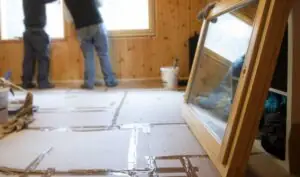
Exterior walls are responsible for a major share of household heat loss. Poorly insulated wall cavities allow warm air to escape in winter and invite hot, humid air inside during summer. Proper insulation, typically rated around R-20 or higher for Pennsylvania’s climate zones, helps maintain a stable indoor temperature and reduces the workload on your heating system.
When insulating, don’t overlook walls shared with unheated garages or storage areas, and make sure knee walls and bump-outs are sealed. Foundations also play a critical role. Exposed foundation walls and uninsulated basement walls act like heat sinks, pulling warmth out of living spaces and contributing to higher heating bills. Insulating foundation walls, particularly in heated or conditioned basements, improves comfort and helps prevent moisture and condensation issues common in Pennsylvania’s humid summers.
Together, well-insulated walls and foundations can eliminate nearly one-third of a home’s total heat loss, reducing stress on the HVAC system.
Attics and Ceilings: A Top Priority for Pennsylvania Homes
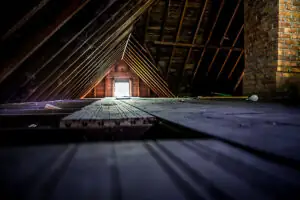
If your home feels drafty or hard to heat, the attic is often to blame. Heat naturally rises, and an uninsulated or poorly insulated attic lets warm air escape directly through the roof. For Pennsylvania’s climate, the Department of Energy recommends attic insulation rated between R-49 and R-60, equivalent to approximately 18 to 20 inches of fiberglass or cellulose insulation.
Finished attics should have insulation installed in the rafters, knee walls, and small cavities above ceilings. Don’t forget the attic access hatch or pull-down stairs, as these small gaps are notorious for letting warm air leak out. Air sealing before insulating is also essential; sealing around light fixtures, plumbing stacks, and wiring prevents the attic from acting like a chimney that draws heated air out of your home.
Proper attic insulation is one of the most cost-effective ways to save energy and maintain year-round comfort. In summer, it also prevents intense attic heat from radiating down into living areas, keeping cooling costs in check.
Floors and Basements: The Hidden Energy Loss Below
Cold floors in winter are more than a nuisance; they’re also a sign of heat loss. Floors over unconditioned spaces, like crawl spaces and unheated garages, should be insulated to prevent cold air from seeping upward. Insulating cantilevered sections or overhangs is also crucial to prevent drafts and maintain a uniform room temperature.
Basements, often used for storage or utilities, are another significant source of energy waste. Insulating basement walls, even in unfinished spaces, helps the rooms above stay warmer and more comfortable. In finished or conditioned basements, insulated walls transform the space into a more livable and efficient extension of the home.
Moisture control is key in Pennsylvania’s humid climate. Using moisture-resistant insulation materials, such as rigid foam,along foundation walls, paired with a vapor retarder, can prevent condensation and protect against mold. Done right, floor and basement insulation keeps cold air out, warm air in, and comfort consistent throughout the home.
Windows and Doors: The Sneaky Energy Thieves
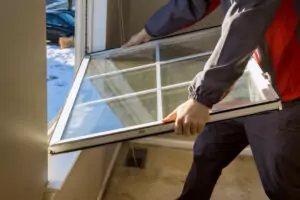
Windows and doors are often the most visible culprits of energy loss, and some of the easiest to fix. Drafts and air leaks around frames can account for nearly 40% of a typical home’s total heat loss. Upgrading to energy-efficient windows with double or triple panes and low-E coatings can significantly reduce heat transfer and lower heating bills.
Proper air sealing makes a significant difference. Use caulk or expanding foam around window and door frames before adding trim, and install weatherstripping around exterior doors to block drafts. Don’t forget smaller leak points, such as attic hatches, mail slots, or outlets on exterior walls, where foam gaskets behind outlet covers can provide additional assistance. For optimal results, select insulated exterior doors featuring a foam core for enhanced thermal protection.
Air sealing and insulation work together to prevent both conductive and convective heat loss, keeping your home cozier and more efficient.
Appliances, Lighting, and Smart Upgrades
Despite our state’s industrious nature, the residential sector is actually the largest consumer of electricity in Pennsylvania, accounting for around two-fifths of the state’s energy use. This means that choices made inside the home have a sizeable impact on overall energy demand, and your everyday appliances and lighting choices also affect your energy consumption. ENERGY STAR®-certified appliances, high-efficiency heat pumps, and properly sealed duct work can dramatically reduce energy bills over time. LED light bulbs use up to 90% less energy than incandescent bulbs and perform well in cold temperatures, making them ideal for Pennsylvania garages and outdoor fixtures.
Smart thermostats are another easy upgrade. By automatically adjusting heating and cooling schedules, they reduce energy waste without sacrificing comfort. Every kilowatt-hour saved contributes to a greener grid and a lower carbon footprint across the state.
Build Smart. Save Energy. Stay Comfortable.
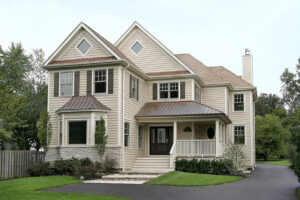 Whether you’re improving an older home or planning new construction, a comprehensive energy efficiency strategy begins with insulation and air sealing. Addressing key areas, such as walls, attics, floors, and windows, builds a stronger thermal envelope, reducing energy costs, eliminating drafts, and creating lasting comfort for homeowners.
At Liberty Insulation, we help Pennsylvania builders and homeowners pinpoint problem areas, select the right insulation materials, and meet or exceed state energy efficiency standards. Ready to improve your home’s comfort and lower heating bills? Contact Liberty Insulation today for your free estimate and start saving energy year-round.
References
ArchDaily. (n.d.). This infographic offers a guide to reducing heat loss in homes. https://www.archdaily.com/902686/this-infographic-offers-a-guide-to-reducing-heat-loss-in-homes
Indiana University of Pennsylvania. (n.d.). LED lighting benefits. IUP Energy Management. https://www.iup.edu/energymanagement/howto/led-lighting-benefits.html
Pennsylvania Housing Research Center. (n.d.). Moisture control for new residential buildings [PDF]. Pennsylvania State University. https://www.phrc.psu.edu/assets/docs/Publications/PHRC%20MoistureWalls%20BB%20FINAL.pdf
Pennsylvania State University. (n.d.). Lesson 12: Energy conservation. E-Education Institute. https://www.e-education.psu.edu/egee102/node/2060
U.S. Department of Energy. (n.d.). Insulation. Office of Energy Efficiency & Renewable Energy. https://www.energy.gov/energysaver/insulation
U.S. Department of Energy. (n.d.). Where to insulate in a home. Office of Energy Efficiency & Renewable Energy. https://www.energy.gov/energysaver/where-insulate-home
U.S. Energy Information Administration. (2009). Pennsylvania: State energy profile [PDF]. https://www.eia.gov/consumption/residential/reports/2009/state_briefs/pdf/pa.pdf
U.S. Energy Information Administration. (n.d.). Pennsylvania: State profile and energy estimates. https://www.eia.gov/state/analysis.php?sid=PA
Commonwealth of Pennsylvania. (n.d.). Home energy efficiency and conservation. Pennsylvania Department of Environmental Protection. https://www.pa.gov/agencies/dep/residents/saving-energy/home-energy-efficiency-and-conservation